
Family Dental Care of Rogers Blog

Why Does Tooth Hurt Worse at Night?

February 1, 2026

Man in bed holding mouth in pain.

If you’ve ever gone to bed with a mild toothache only to have it feel much worse at night, you’re not imagining things. Many people notice that dental pain intensifies after lying down or trying to sleep. Several physical and environmental factors contribute to this uncomfortable nighttime phenomenon.

Increased Blood Flow When Lying Down

One of the main reasons tooth pain worsens at night is body position. When you lie down, blood flow to your head increases due to gravity. This added circulation can place extra pressure on sensitive or inflamed areas inside or around the tooth.

If the tooth’s nerve is already irritated—often due to infection or deep decay—the increased pressure can amplify throbbing or pulsing sensations. Conditions such as cavities or an abscessed tooth commonly cause this type of inflammation.

Fewer Distractions at Night

During the day, work, conversations, and daily activities keep your mind occupied. These distractions help reduce your awareness of discomfort. At night, when everything becomes quiet and you’re trying to relax, pain becomes much more noticeable.

Without daytime stimulation competing for your attention, even mild dental pain can feel significantly more intense.

Teeth Grinding and Clenching

Many people grind or clench their teeth while sleeping, a condition known as bruxism. Nighttime grinding places pressure on teeth, gums, and jaw joints, which can worsen existing tooth sensitivity or inflammation.

Grinding may also irritate already damaged teeth or expose sensitive inner layers, increasing pain overnight or upon waking.

Sinus Pressure and Congestion

Upper toothaches can sometimes be linked to sinus issues rather than dental problems alone. Sinus pressure tends to increase when lying down, placing pressure on tooth roots located near the sinus cavities.

This can create aching or tenderness that feels like a toothache, particularly during allergies, colds, or sinus infections.

What You Can Do for Nighttime Relief

While nighttime tooth pain usually signals an underlying issue that requires professional care, temporary relief measures may help. Sleeping with your head slightly elevated can reduce blood pressure in the affected area. Over-the-counter pain relievers, warm saltwater rinses, and avoiding very hot or cold foods before bed may also ease discomfort.

However, persistent tooth pain should never be ignored. Nighttime worsening often indicates inflammation or infection that won’t resolve on its own.

A toothache that intensifies at night is often your body’s way of signaling a dental problem that needs attention. Scheduling a dental visit as soon as possible allows your dentist to identify the cause and provide treatment before the condition becomes more serious. Addressing the issue early can help restore comfortable sleep and protect your long-term oral health.

About the Author

Dr. Douglas J. Gammenthaler’s mission is to treat patients in Rogers with excellent care and educate them about the importance of their oral health. He earned his Doctorate of Dental Surgery from the Loma Linda University School of Dentistry. Today, to stay current in his field, Dr. Gammenthaler is an active member of the American Dental Association and the Academy of General Dentistry. If you’re experiencing a dental emergency, don’t wait; book an appointment online or call (479) 888-5362.

Avoid These Bad Habits With Dental Implants

January 22, 2026

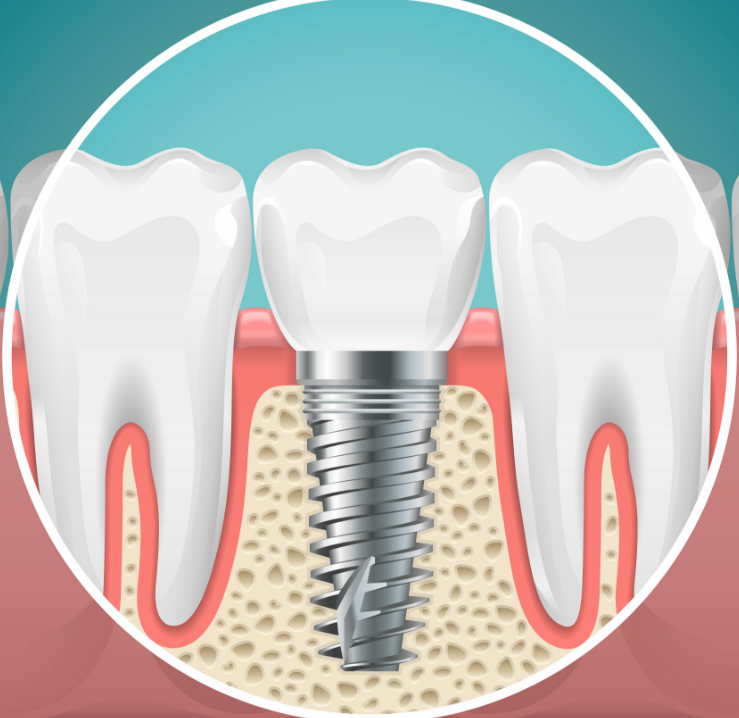
Dental implants are designed to be a long-term solution for missing teeth, offering strength, stability, and a natural look. While implants themselves can’t decay, the surrounding gums and bone still need care and protection. Certain everyday habits can quietly compromise your implant’s success over time. Knowing what to avoid can help you keep your smile healthy for years to come.

(more…)

Dental Implant Terminology: 5 Key Words That You Might Want to Know

November 2, 2025

a dental implant patient during an appointment

Dental experts everywhere agree that when it comes to dental implants, they’re practically the next best thing to your natural teeth. They look, feel, and function just like your original pearly whites, and they have the potential to last for life if you take care of them. However, if you’re scheduled to receive dental implants, it’s wise to head into the process with as much knowledge and insight as possible, as it’ll set your new smile up for resounding success. Here are a few of the key terms you may hear your dentist use as they plan out your treatment.

(more…)

5 Reasons Dental Implants Are So Successful

October 1, 2025

Dentist showing patient dental implant.

Dental implants are widely regarded as the gold standard for replacing missing teeth—and for good reason. With their natural appearance, stability, and long-lasting results, they’ve transformed the way dentists restore smiles. But what exactly makes dental implants so successful? The answer lies in their design, materials, and the science behind how they integrate with your body. Here’s a closer look at 5 reasons dental implants have such an impressive track record.

(more…)

Should You Pick Veneers or Invisalign for Your Straighter Smile?

September 5, 2025

Woman smiling and pointing at her straight teeth

If you have crooked teeth, they can very well cause some self-consciousness for you. You might hide away your grin, but just what can you do about it? After a quick search online, you might’ve seen different people choose veneers or Invisalign. While they both can straighten a smile, which one is right for you? Keep reading to learn more about these two treatments.

(more…)

Can I Get Invisalign on Only My Top Teeth?

August 1, 2025

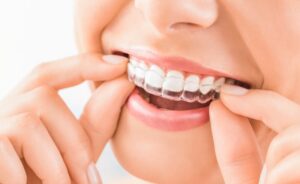
Woman fitting Invisalign aligner onto top teeth.

Invisalign has become one of the most popular orthodontic treatments thanks to its clear, comfortable aligners that straighten teeth without the need for metal braces. Many patients wonder if they need to treat both arches or if Invisalign can be done on just the top teeth. The answer is: Yes, it’s possible in some cases—but it’s not always recommended. Let’s explore when single-arch Invisalign works, when it doesn’t, and what you should consider before making the decision.

(more…)

Why Invisalign Aligners Might Not Fit

July 29, 2025

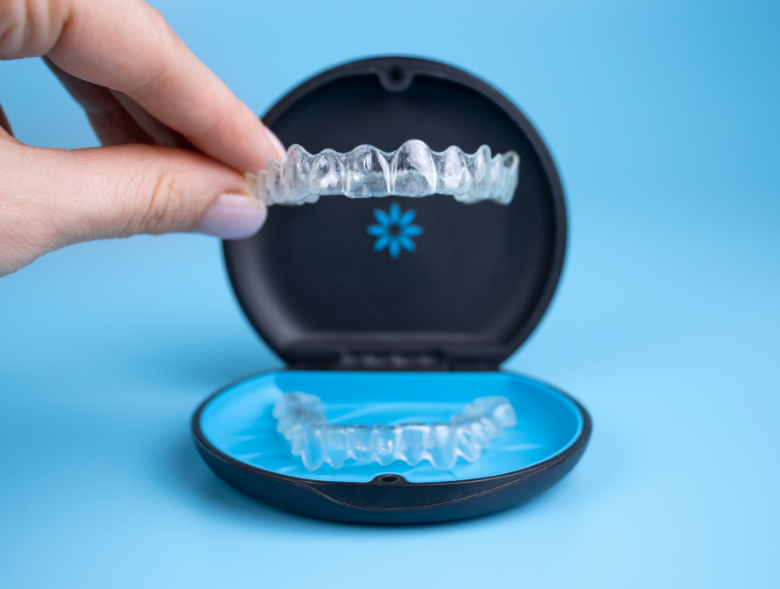
Invisalign clear aligner in case

If you’ve just switched to a new aligner and it doesn’t seem to sit flush on your teeth, don’t panic. This is actually a fairly common experience with Invisalign. Aligners are designed to gradually move your teeth into new positions, which means the trays may feel a little tight at first. However, if the aligner doesn’t seat properly after a couple of days, it may need some attention.

Fit issues can happen for several reasons: maybe you skipped wearing your previous trays as consistently as recommended, or your teeth are simply moving a little slower than expected. In rare cases, the aligner itself might not have been manufactured quite right.

(more…)